WEBSITE DESIGN

Contractor Website Design Services

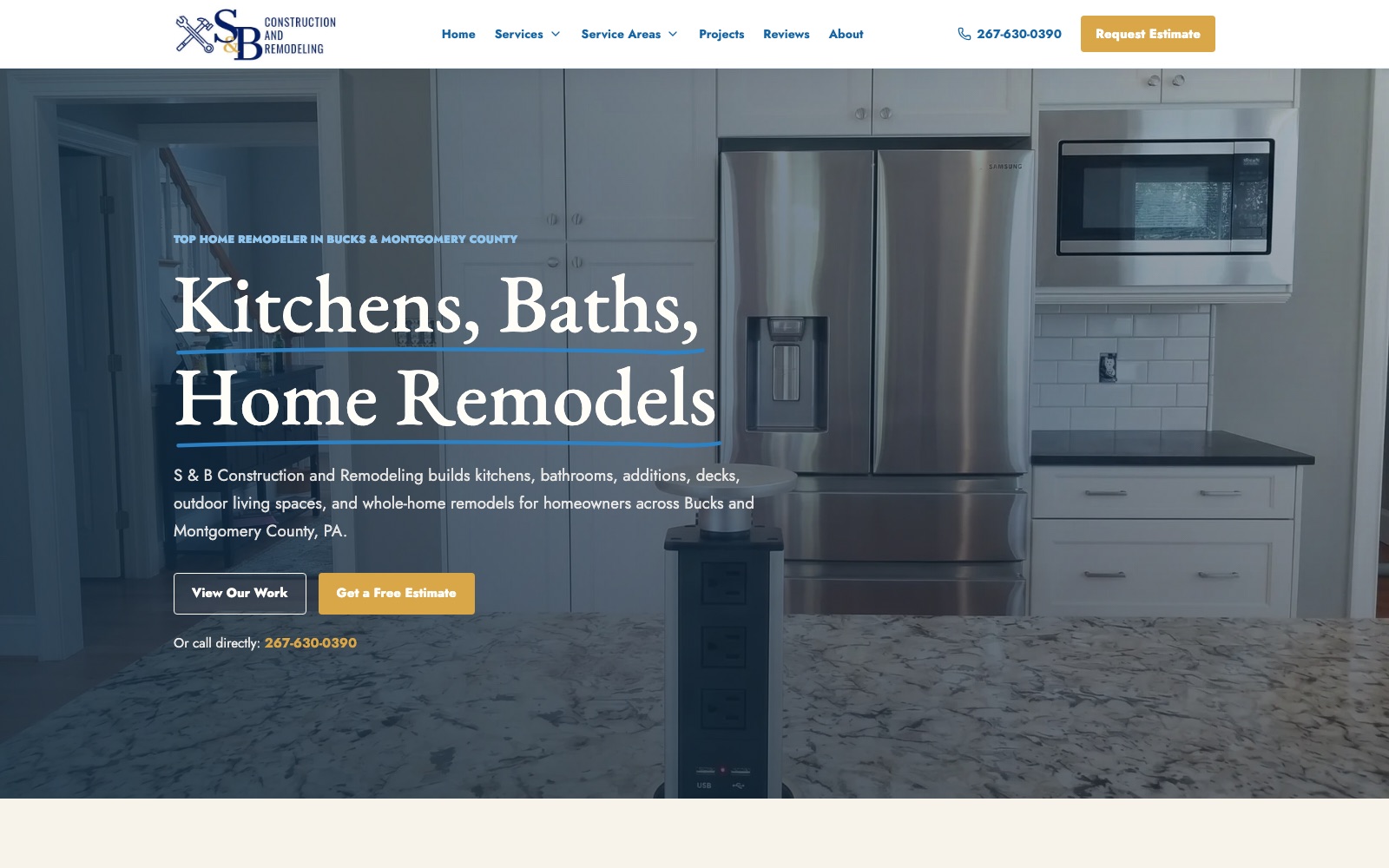
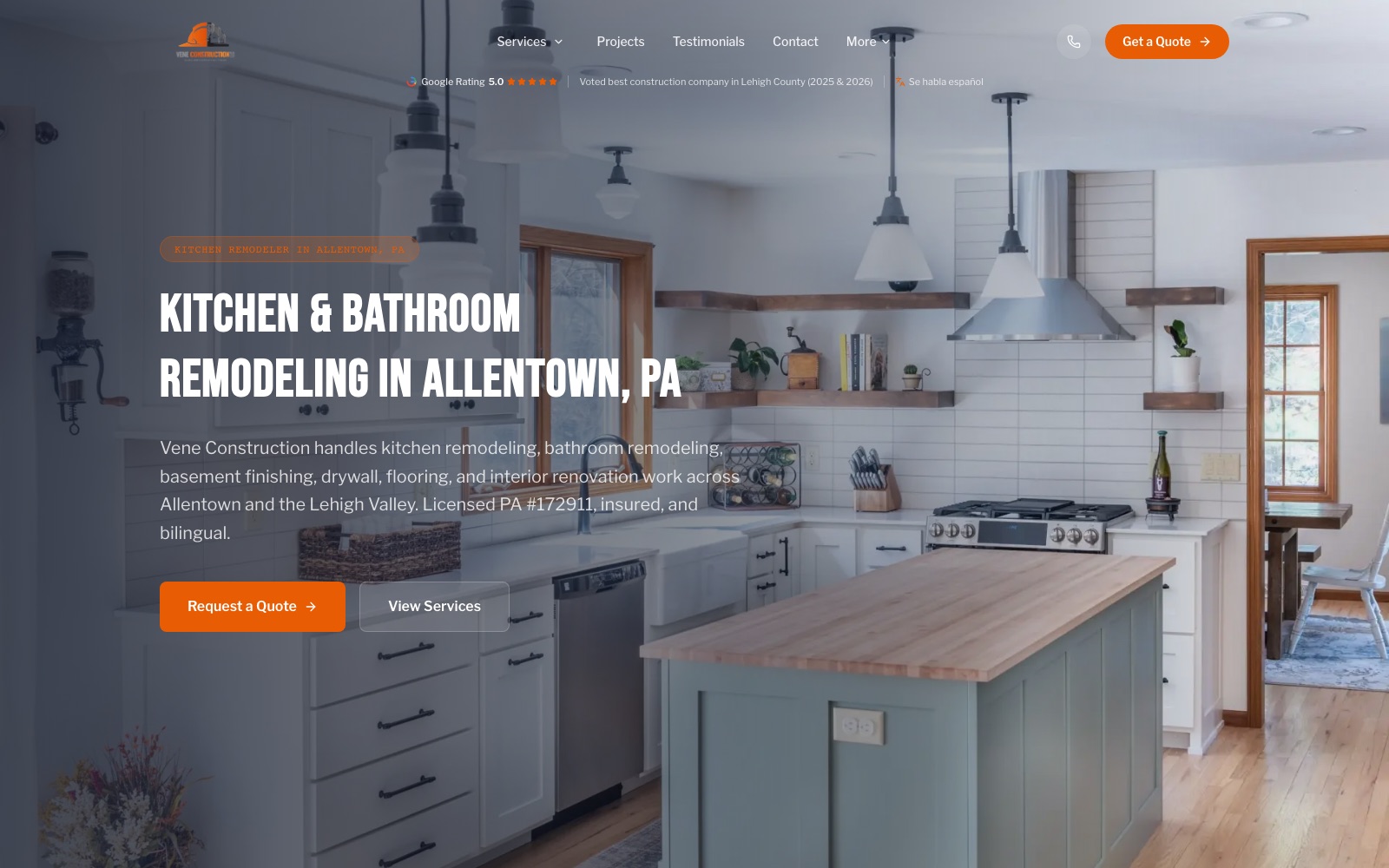
Workbench SEO builds contractor websites for trades, home services, construction companies, and local service businesses that need better credibility, clearer service pages, and more qualified calls or quote requests.

  • Family-Owned
  • Local
  • 5-Star Rated
  • GooglePartner
  • MetaVerified
INTRODUCTION

A website is where trust gets tested.

Contractor website design is the planning, copywriting, design, development, and SEO structure behind a website built for contractors, trades, home services, construction companies, and local service businesses.

This page covers what a contractor website should include, how web design connects to SEO and Google Ads, what Workbench builds into each site, which contractor types we help, when a redesign makes sense, and how our design process works.

For most contractors, the website is the second filter. A customer finds the business through Google, Maps, a referral, a review, or an ad. Then they land on the site and decide whether the company looks credible enough to call.

Good contractor website design helps visitors understand what the company does, where it works, what kind of projects it handles, and how to contact the team. It should also help the owner make better marketing decisions instead of wondering where leads came from.

CHECKLIST

Cover the basics before the site tries to get clever.

This checklist is the floor. The stronger version is a website where all of these pieces support the same customer journey.

What users expect from contractor website design

  • Clear calls to action
  • Visible contact details
  • Client testimonials and reviews
  • Licensing, insurance, or certification details where relevant
  • Real project photos and high-quality images
  • Simple navigation
  • Mobile-friendly layouts
  • SEO-ready service and location pages
  • Landing pages that turn traffic into leads
  • Credibility signals that help customers feel safe reaching out
WHY IT IS DIFFERENT

Contractor websites are local, fast-moving, and trust-heavy.

The business is local

Searchers usually need a company that serves their town, county, or neighborhood. The site has to support local SEO, service area pages, Google Business Profile visibility, and the way customers compare nearby companies.

The customer is moving fast

Someone looking for a plumber, electrician, roofer, home builder, HVAC company, or remodeling contractor wants answers quickly: do you offer the service, do you work nearby, and how do they request help?

The work requires trust

Contractors often work inside homes, on expensive properties, or on projects where the wrong hire creates a mess. The website has to answer the trust question before the sales conversation begins.

Generic web design misses the point

Visual appeal matters, but contractor websites also need service structure, local pages, quote paths, proof, and search engine optimization built into the foundation.

CONNECTED CHANNELS

Website design, SEO, and Google Ads should work together.

Website design affects SEO. SEO is easier when the site has clear pages for services, locations, project proof, and common customer questions. If the site is vague, slow, or hard to crawl, search engine optimization has less to work with.

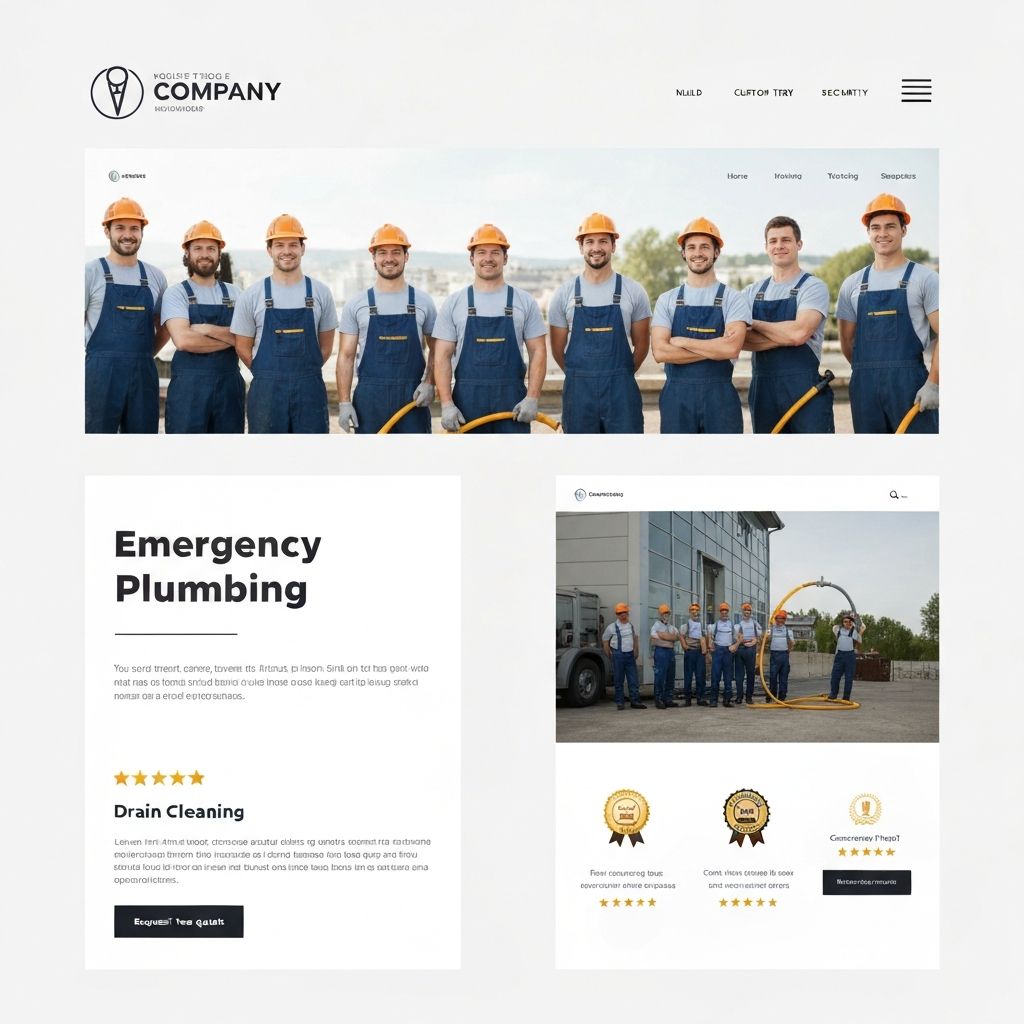
Website design affects Google Ads. Google Ads works better when the ad leads to a relevant landing page. If someone clicks an ad for emergency plumbing, they should not land on a generic homepage with no emergency plumbing details.

Website design affects trust. Visitors compare the website against reviews, photos, Google Business Profile details, and competitors. The site needs to make the business easier to choose, not just easier to find.

That is where SEO, paid ads, reviews, photos, and the website stop being separate projects.

WHAT THE SITE HAS TO DO

A contractor website has a job beyond looking polished.

The strongest contractor websites make the business easier to understand, easier to trust, and easier to contact.

Explain the services

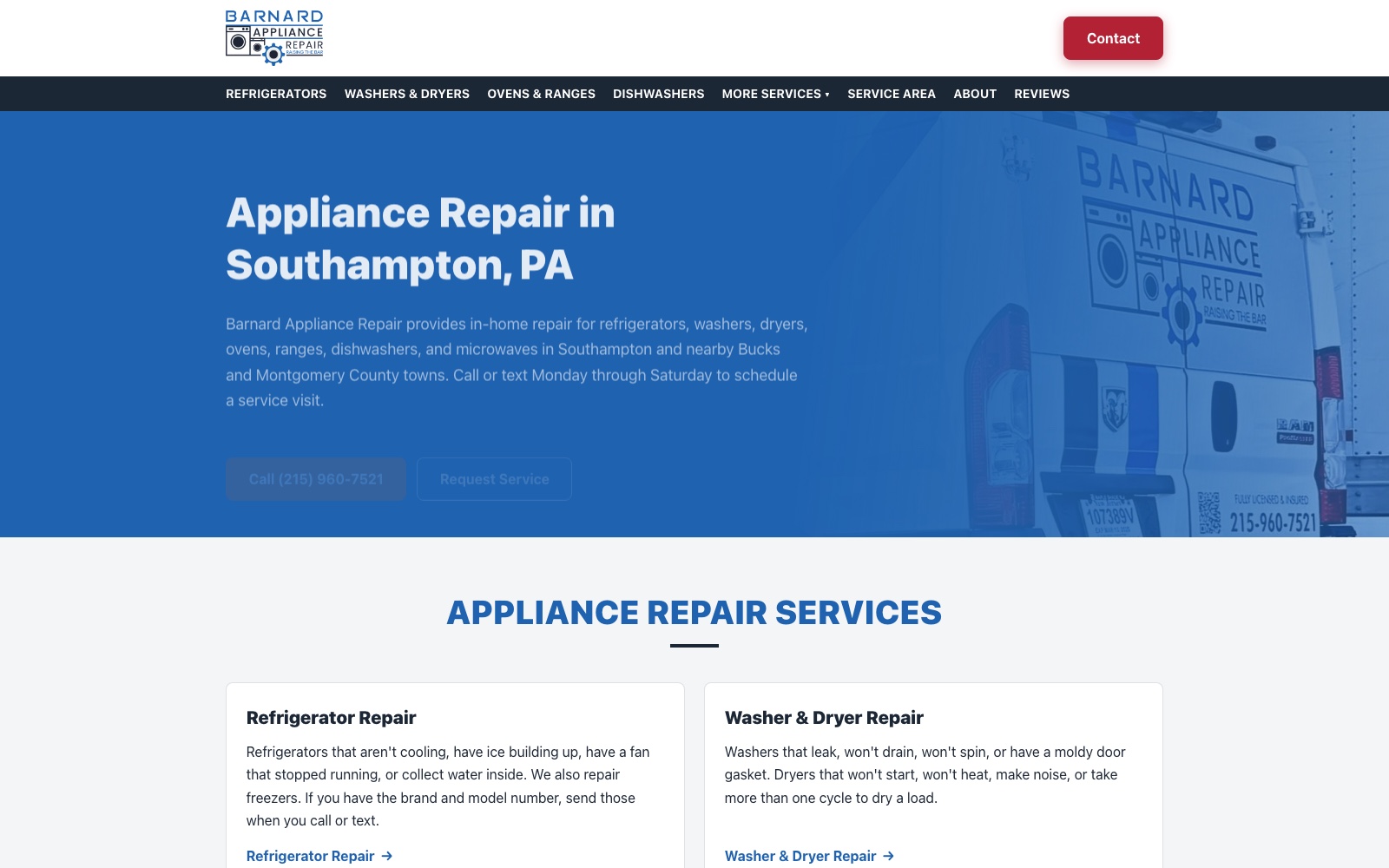
A contractor website should clearly explain what the company does. Many contractor websites hide profitable services inside one long page, but search engines and customers both need clearer service pages.

The page structure should match the way customers search: service first, location second, proof close behind.

Show the service area

The website should make the service area obvious. Service area pages can use town and county language in headings, title tags, and meta descriptions when those locations matter to the business.

Those pages should still be useful. A strong location page explains the services, the local market, nearby towns, and why the company is a credible choice there.

Prove the quality of the work

Project galleries help potential clients understand the quality of the work before they reach out. Before-and-after photos, finished project images, jobsite photos, videos, and short project notes can demonstrate expertise better than generic claims.

For builders and construction companies, this proof often matters more than clever web design language.

Make contact easy

The site should make it easy to call, request a quote, or schedule a consultation. That means visible phone numbers, short forms, click-to-call buttons on mobile, and clear calls to action near the sections where customers are ready to move.

The best contact path is simple. Fewer fields, clearer labels, and obvious next steps usually beat a long form that asks for everything up front.

Support search engines

Search engines need clean pages, crawlable content, useful headings, metadata, internal links, image alt text, schema markup, and a sitemap.

Search engine optimization is not something to bolt on after launch. The better move is to build websites with SEO structure in place from the start.

WHAT WE BUILD IN

The foundation underneath a useful contractor website.

Good contractor website design connects clear pages, proof, mobile usability, copywriting, and search structure from the start.

Mobile-first pages

Many contractor searches happen from a phone. A mobile-first site should load quickly, avoid clutter, keep buttons easy to tap, and put contact options where visitors can find them.

Clear navigation

Clear navigation helps visitors move between services, projects, reviews, and contact pages without thinking too hard. The best contractor websites do not make customers dig for basic information.

Dedicated service pages

Each important service deserves its own page when the service is profitable, searched often, or tied to urgent demand. Roofing, plumbing, HVAC, electrical, and home remodeling companies all need pages that match how customers search.

Location and service area pages

Local visibility depends on matching services to the places customers search. Location pages can support a construction business, home services team, or contractor that serves multiple towns or counties.

Real copywriting

Workbench writes the copy after discovery. You do not have to write all the pages yourself; we learn how the business works, which services matter, what customers ask, and what makes the company easier to trust.

Project photos and media

High-quality images and videos help show craftsmanship. Stock photos can make a good contractor look generic, while real photos make the website feel earned.

Even simple job photos can outperform polished but anonymous imagery when they show real work.

Reviews and client testimonials

Reviews and client testimonials help visitors decide whether the company is credible. We place review proof near decision points without inventing social proof or stuffing the page with empty praise.

SERVICES

Contractor website services from Workbench.

A website project covers more than visual design. We plan the structure, write the copy, build the pages, launch cleanly, and keep the site useful after it goes live.

Strategy and sitemap

We start with the structure: which pages the site needs, which services deserve their own pages, which locations matter, and how visitors should move through the site.

Custom web design

We design websites around the actual business, not around a template with a logo dropped in. The layout should match the services, projects, photos, team, brand, and conversion path.

Development

Workbench builds websites as custom Next.js sites deployed on Vercel. We are not tied to WordPress themes, plugin stacks, or drag-and-drop builders; we prefer clean code, fast pages, and fewer maintenance problems.

Content and copywriting

The copy should sound like the business understands the customer. We write service pages, homepage sections, process copy, service-area copy, FAQ content, and calls to action based on discovery.

Launch support

Before launch, we check forms, phone links, metadata, mobile layouts, speed, broken links, indexability, and the core site functions. More importantly, we make sure the site is clear to a real customer before it goes live.

Care plan

After launch, the care plan can cover hosting, updates, backups, small content changes, and support. Contractors should be able to update the website with new projects, services, photos, reviews, and seasonal information as the business grows.

Conversion tracking

A website should help measure what is happening. Form submissions, phone clicks, traffic sources, Google Ads landing pages, and key conversion paths should be trackable so marketing decisions are not based on guessing.

CONTRACTOR TYPES

Different trades need different website priorities.

General contractors and builders

General contractors and builders need pages that explain project types, scope, process, and trust. General contractor website design and home builder website design both need strong project galleries, service area clarity, and proof that the company can manage a high-trust construction project.

Remodelers and renovation companies

Home remodeling websites need strong photos, before-and-after examples, service pages, and clear project paths. Visitors want to know whether the company handles kitchens, bathrooms, basements, additions, whole-home renovations, or a narrower type of job.

Roofing companies

Roofing websites need fast paths to roof repair, roof replacement, storm damage, inspections, commercial roofing, and emergency requests when offered. Photos, reviews, warranties, financing information, and insurance-related guidance can all help visitors make contact.

HVAC, plumbing, and electrical companies

These home services often involve urgent searches. The website should make emergency service, repair, replacement, maintenance, and service area details easy to find on mobile.

WHEN TO REDESIGN

If the site makes the business harder to choose, it needs work.

Not every contractor needs a full rebuild. Sometimes the right move is a smaller cleanup. These are the signals we look for first.

  • Visitors cannot quickly tell what the company does.
  • Service pages do not match real searches.
  • The site looks like every competitor.
  • The phone number or quote form is hard to find.
  • Google Ads send traffic to weak landing pages.
  • Project photos, reviews, and team proof are missing.
  • The site is hard to use on mobile.
  • The brand feels like a theme marketplace demo instead of the actual company.
PROCESS

How the design process works.

01
REVIEW

Review the current site

We review the existing website, service pages, rankings, Google Business Profile, ad landing pages, and lead paths to see what is helping, what is missing, and what is making the business harder to choose.

02
PLAN

Map the pages before design starts

We map the services, service areas, customer types, photos, reviews, and business goals. That prevents the common mistake of designing a homepage first and figuring out the actual website structure later.

03
WRITE

Write the copy

We write around real services, real customers, and the jobs the company wants more of. Good copy should make the company easier to understand, not make the owner sound like a marketing department.

04
BUILD

Design, build, and launch

We build pages with clear structure, mobile performance, SEO basics, forms, internal links, and launch-ready content, then test forms, contact buttons, layouts, metadata, analytics, and Search Console setup.

OWNERSHIP

You own the asset.

The website should keep working after launch instead of becoming another stale asset the business avoids touching.

You own the website

You own the website, copy, code, domain, and accounts. We do not hold the site hostage inside a proprietary agency account.

The timeline is practical

Most Workbench website projects launch in two to four weeks once content, approvals, and access are in hand. Larger sites with many pages, photos, or service areas can take longer.

Pricing depends on scope

Website pricing depends on page count, design depth, copy needs, service-area structure, and launch support. Most Workbench website projects currently range from $500 to $2,500, and we give a clearer number after the scope is defined.

Support is available after launch

After launch, the care plan can handle hosting, backups, updates, and small changes. Larger redesigns, new SEO campaigns, and deeper content work are scoped separately.

FAQ

Frequently asked questions.

Do I own the website?

Yes. You own everything we create: the design, the copy, the code, the domain, and every account. Nothing is held hostage in our agency account.

Can I update the site after launch?

Yes. The average turnaround time for a website change request is under 3 days.

Do you write the copy or do I?

We write it. You do not have to write the pages or hire a separate copywriter. We interview the team, draft the copy, and revise until it sounds right.

What happens after launch?

The care plan handles hosting, backups, security updates, and small content changes. Larger redesigns are scoped as a separate project when the time comes.

How long does a typical project take?

Two to four weeks once content and approvals are in hand. Faster is possible.

What does it cost?

It depends on the scope of work. Every website is unique, and every business has different needs. Most website projects range from $500 to $2,500.

EXPLORE NEXT

Keep moving through the marketing system.

CONTACT

Ready to talk?

Book a free in-person consult. We review the current site, walk through what is working and what is not, and explain which changes would matter most.